

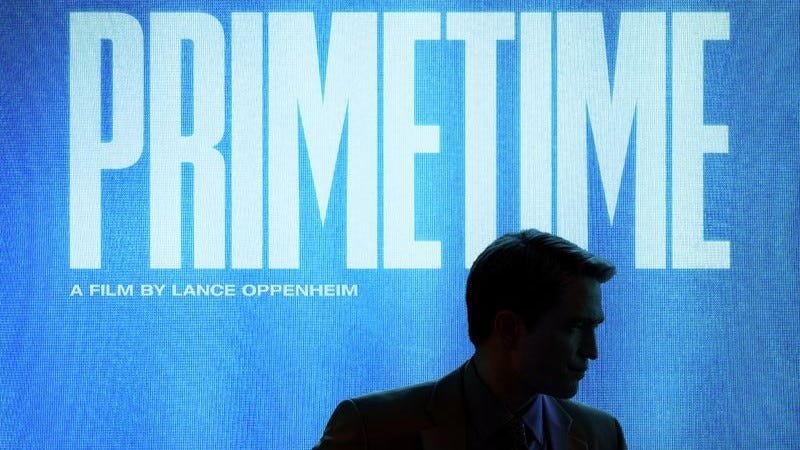
The To Catch a Predator TV show is one that didn’t just grip the nation of America, but had audiences from around the world hooked throughout the mid 2000s. A large part of its success was down to its host and cultural phenomenon of the time, Chris Hansen, who became a household name off the back of his stings. So, in an age where biopics are plentiful, it felt almost inevitable that Hansen would eventually be delved into, although Lance Oppenheim’s Primetime is anything but a formulaic biopic, breaking out of the mold to create a uniquely thrilling biographical drama.
Primetime throws audiences in at the deep end, taking place in 2006 when Chris Hansen (Robert Pattinson) had already caused a splash with his To Catch a Predator show, pulling in viewership figures that had Dateline NBC executives salivating. Hungry for even more success, Hansen and the executives moved To Catch a Predator to the primetime slot, where it competed against juggernauts of the time, Lost and Survivor, on rival networks.
Determined to make his biggest splash yet, with a thirst for ratings that not even his wife and young children could get in the way of, Hansen was on the lookout for a notorious “White Whale” that would transform his future and elevate him to another level. It was an obsession that pushed his production team and decoys to the edge, ultimately resulting in the flashpoint that permanently tarnished his legacy. Even 20 years on, it remains the incident his show became most notorious for.
Working from Ajon Singh’s sharp script, director Lance Oppenheim focuses heavily on the fascination with Chris Hansen that gripped the world. Millions of people not only tuned into the show but watched endless reruns, while others created their own spin-offs. Many fame-hungry YouTubers and TikTokers have since made names for themselves through self-made stings that have resulted in some incredibly dangerous situations.
In capturing the remarkable story of how To Catch a Predator became such a cultural phenomenon, Oppenheim recreates the more iconic elements of Hansen appearing in kitchens with his television crew to begin the public humiliation of the predators he’s managed to catch. But he also subtly depicts the cult-like frenzy among the general public through random meetings with Hansen. People regale him with their own personal stories of how they would deal with the predators if they were in his shoes before boosting his ego with complimentary outbursts about how special his show has become.
Oppenheim also isn’t afraid to show, in graphic detail, how these sting operations began and the disgusting lengths these predators would go to when talking to the decoys. When dealing with subject matter like this, it would be easy to glorify the stings. Yet Oppenheim handles the sensitive material with a great deal of care, ensuring viewers get the full picture of what the team behind To Catch a Predator would do without championing some of the more questionable actions they took in order to get the highest ratings possible.
That balance isn’t always flawless. At times, the movie’s propulsive nature means there’s little room to sit with the ethical questions it raises before racing towards the next development. But that momentum also mirrors the ratings-obsessed machine Hansen and his team had created, where there was always another sting, another predator and another opportunity to push things further.
It culminates in a climax that will live long in the memory as the show’s most prominent case is brought to life. That was the case of Bill Conradt (Alex Winter), the Rockwall County assistant district attorney and the “White Whale” Hansen had been longing for. It was a sting that went down in infamy, with the TV show taking the law into its own hands for entertainment purposes and resulting in catastrophic circumstances. Here, the events are captured in such a harrowing way that it’s hard to imagine anyone sitting in the audience not being moved by what unfolds before their eyes.
A younger Hansen is brought to life by a spectacular Robert Pattinson in what could be his career-best performance to date. Most notably, Pattinson is never simply cosplaying as Hansen. Instead, he completely transforms himself into the TV host, even capturing the instantly recognizable delivery of his signature speeches to perfection. But Pattinson’s performance is made all the more fascinating by how he portrays the side audiences don’t get to see on camera, particularly Hansen’s ego and growing feeling that he cannot be touched. It’s a multifaceted turn that explores every element of a compelling individual, remaining engrossing from start to finish and undoubtedly catapulting Pattinson into the conversation for best actor nods, and rightfully so.
The movie is made all the more enjoyable by an equally strong supporting cast. Merritt Wever is arguably the biggest standout in her riveting role as Andie Bender, the producer who made the To Catch a Predator TV show possible in the first place. She brings a similar energy to Pattinson’s Hansen as a producer who will stop at nothing to get to the top. That ambition is portrayed rather chillingly in the final act as Wever delivers one of the most memorable moments of the entire movie.
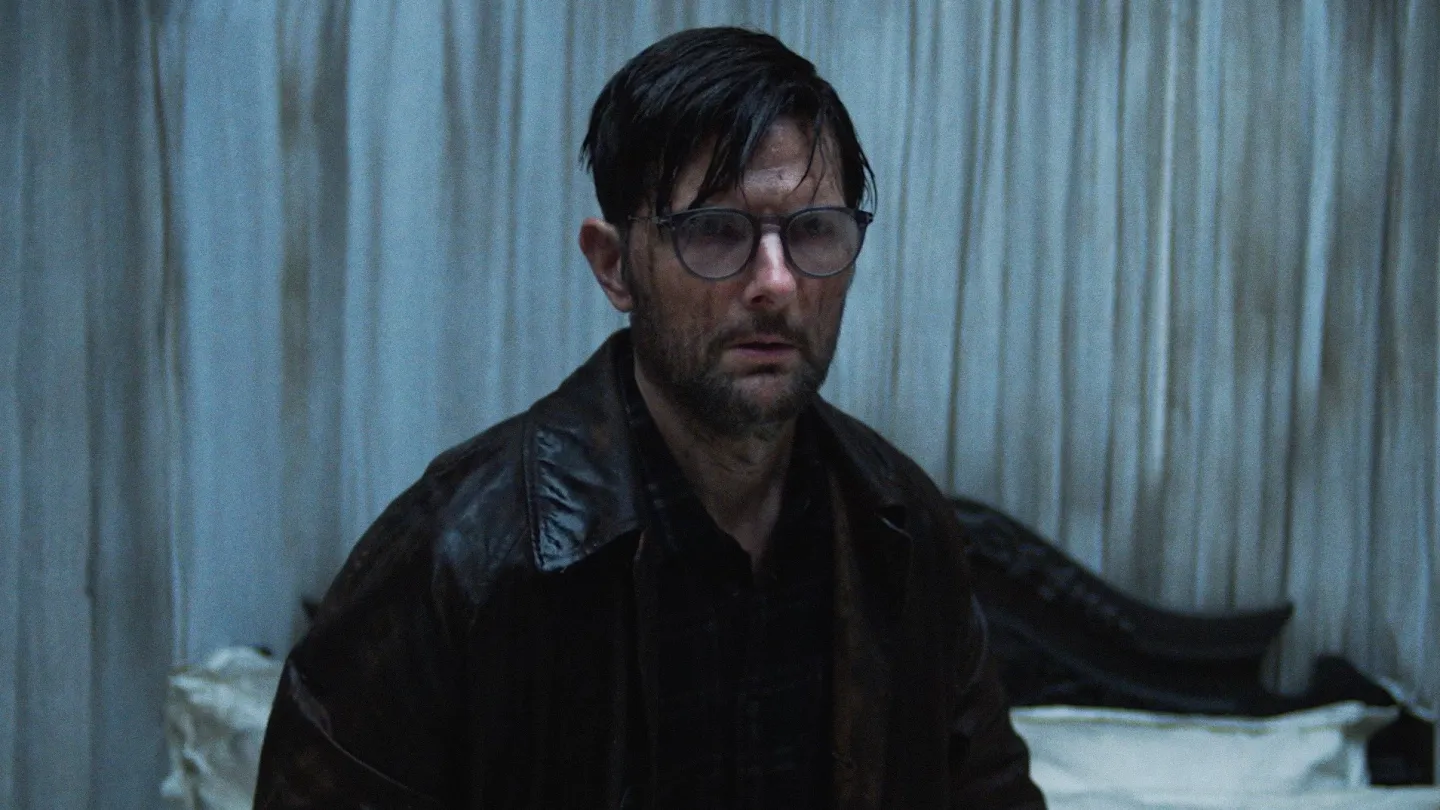
Skyler Gisondo also excels as Dan Plumb. He’s a young, aspiring actor just looking for his big break and trying to make a go of the crippling Hollywood world, initially under the impression that he has been hired for a dream role. In reality, his casting as “Decoy Dan” is unimaginably challenging, as he essentially has to offer himself up as bait for predators time and time again. Gisondo powerfully captures the deterioration of his mental health as the thankless and rather heartbreaking task of being bait gradually wears him down.
Despite the performances being highlight-reel worthy, it’s arguably the work of cinematographer David Bolen that is the most visually arresting aspect of the entire movie. Whether it’s the grainy undercurrent that effortlessly teleports viewers back to the mid 2000s or the way he shoots the CCTV-based footage with impeccable color grading, the cinematography is a marvel to look at. It gives Primetime an absorbing visual identity that holds your attention throughout.
The technical achievements don’t end there. Daniel Garber’s editing skills are on full display, ensuring the pacing remains frenetic but for all the right reasons as we hurtle through the rise and fall of the show. He’s backed up by a pulsating score from Ari Balouzian, who finds exactly the right energy and keeps the tension simmering without it ever becoming overwhelming. The production design of the houses where the stings take place also convincingly recreates the aesthetic of the early 2000s, ensuring audiences feel fully immersed in the story and time period.
Lance Oppenheim has turned Primetime into a genre-bending thrill ride that balances its dramatic elements with a horrifying finale. It takes a piece of television history and transforms it into a riveting character study of a man who was able to have a whole nation sitting on the edge of their seats week in, week out, while questioning what happens when that attention becomes an addiction in itself. Aided by an unbelievable turn from Robert Pattinson, who is backed up by a terrific supporting cast, Primetime goes down as an utterly absorbing time at the cinema.